Table Dynamics Driving Shifts in Live Betting Markets During Championship Events
Tina Franke · Oct 27, 2026

Table Dynamics Driving Shifts in Live Betting Markets During Championship Events
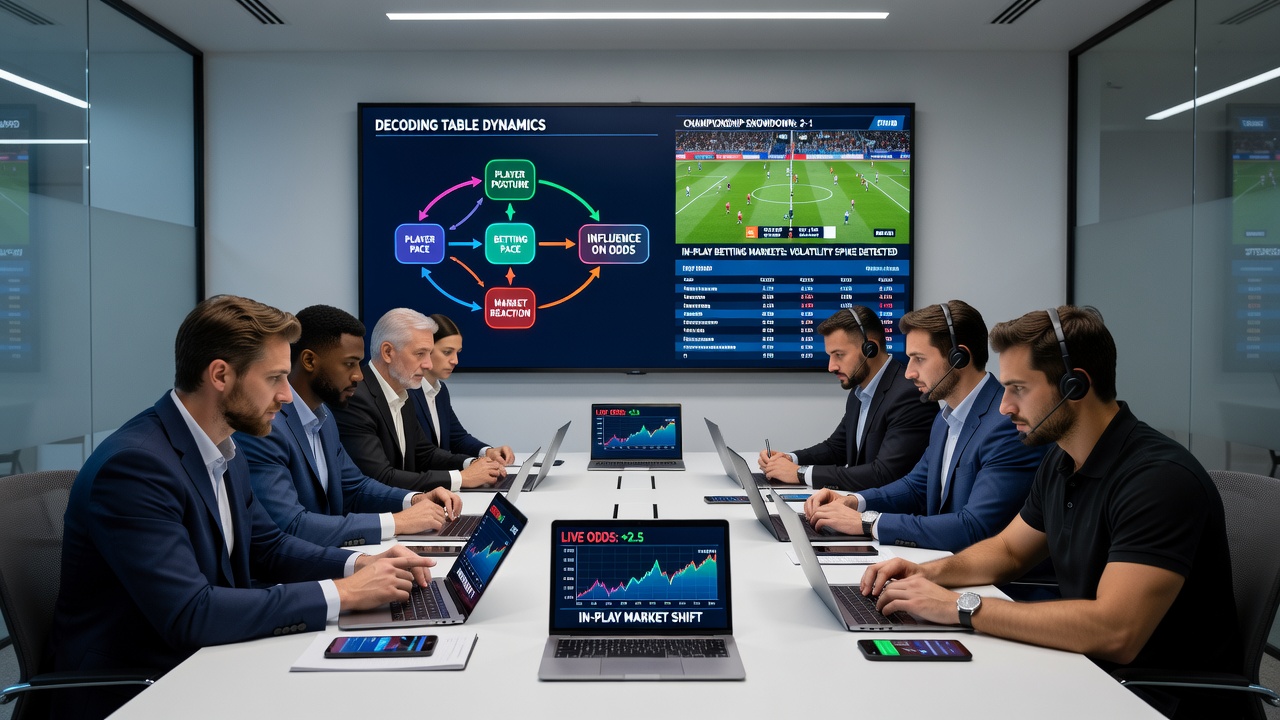
Championship showdowns bring together elite competitors whose positions, stack sizes, and interaction styles create measurable effects on in-play betting markets, and observers have documented these patterns across multiple events since the expansion of live wagering platforms in the mid-2020s. Data from major tournaments shows that bettors adjust wagers rapidly when they detect changes in seating order or aggressive posturing, while sportsbooks update odds in real time to reflect the shifting probabilities those dynamics produce. Researchers at the University of Nevada, Las Vegas have tracked how table position influences bet sizing decisions, and their findings indicate that late-position players generate higher volatility in prop markets compared to early-position counterparts.
Position and Stack Influence on Market Movements
Seat location determines the volume of information available to each participant, and this advantage translates directly into betting line adjustments because markets price in the expected value of positional play. When a short-stacked player occupies the button, live odds on all-in scenarios tighten quickly, whereas deep-stacked early-position players often see wider spreads on continuation bet props. Studies from the International Center for Gaming Regulation reveal that these positional factors account for measurable swings in handle during October 2026 championship rounds, where final tables featured stack depths ranging from 12 to 85 big blinds. Bettors monitoring these variables have learned to correlate position with historical success rates rather than relying solely on player reputations.
Psychological Interactions and Real-Time Adjustments
Verbal exchanges, timing tells, and physical mannerisms at the table generate additional layers of data that in-play systems incorporate through both automated tracking and manual oddsmaker oversight. A player who consistently tanks before large decisions may trigger line movement on fold equity props, while rapid actions from multiple opponents can widen spreads on multi-way pot outcomes. Evidence collected during high-profile finals demonstrates that these micro-interactions accumulate into statistically significant shifts, particularly when two dominant personalities clash over consecutive hands. Markets respond because the collective behavior alters the pace and risk profile of remaining play, and sportsbooks have refined algorithms to detect such patterns within seconds of each hand conclusion.
Case Examples from Recent Championship Tables
One documented final table from a 2026 major event illustrated how a single player’s relocation to an aggressive seat prompted immediate tightening of head-to-head matchup lines, and similar movements appeared across correlated prop markets within the same orbit. Another sequence showed three consecutive hands where stack pressure from the small blind forced wider odds on survival props, yet the market corrected once the dynamic shifted to heads-up play. These instances highlight that table composition, rather than individual skill alone, drives sustained volatility. Figures released by the American Gaming Association indicate rising handle on such situational markets during championship weeks, underscoring the growing sophistication of both bettors and operators in pricing these nuances.
Data Patterns Across Multiple Events
Longitudinal analysis of championship data shows recurring correlations between table tightness and reduced prop volume, while looser dynamics correlate with elevated activity across underdog lines. When multiple short stacks cluster together, markets price higher probabilities for early eliminations, and this pricing holds across different tournament structures. Academic reviews published in the Journal of Gambling Studies confirm that these patterns persist even after controlling for player identities, suggesting the table environment itself functions as an independent variable. Operators have responded by integrating seating charts and real-time stack updates into their live platforms, allowing bettors to access the same contextual information that influences professional decision-making.
Regulatory and Platform Adaptations
Authorities in Nevada and other regulated markets have required clearer disclosure of how table data feeds into odds, and this transparency has coincided with expanded live betting menus during October 2026 events. Platforms now display dynamic factors such as average pot size and aggression frequency alongside standard odds, enabling more informed participation. Industry reports from the European Betting and Gaming Association note similar developments across international operators, where standardized data feeds help maintain market integrity while accommodating the rapid pace of championship play. These adaptations reflect broader recognition that table dynamics constitute core inputs rather than peripheral context.
Conclusion
Table dynamics continue to shape in-play betting markets through positional advantages, interaction patterns, and stack pressure, and available evidence confirms these elements produce consistent, quantifiable effects across championship showdowns. As platforms refine their integration of seating and behavioral data, markets gain precision while participants gain tools to interpret the same signals that drive on-table decisions. Ongoing collection of performance metrics will likely reveal further connections between table conditions and wagering outcomes in future events.